



The beauty business looks glamorous from the outside. People see the stunning hair transformations, flawless nails, and glowing skin treatments and think, “Wow, this must be such a fun, easy job.”
But behind the scenes, it’s a whole different story. Yes, the job can be fun, but it’s anything but easy.
From slow seasons that threaten your cash flow to staff who just don’t get your vision, beauty business owners face struggles that can feel lonely and overwhelming. And the thing is, these challenges are far more common than you think.
In this article, we’re unpacking six real struggles every salon and spa owner faces at some point, and more importantly, how to overcome them. You’ll find practical solutions you can use today, plus insights from fellow beauty professionals who’ve been exactly where you are.
We’ll also show you how tools like Splice can make your journey smoother, and if you want to dive even deeper, our Beyond Beauty Podcast has powerful stories from Nigerian beauty entrepreneurs who’ve turned these struggles into success.
Struggle 1: Scaling operations

One of the biggest milestones and challenges in any beauty business journey is scaling: knowing when and how to move beyond being a one-person show.
At first, doing everything yourself might seem like the smartest way to keep costs low. You take bookings, manage payments, buy products, and find time to serve clients. But eventually, you’ll hit a ceiling. Your time, energy, and resources are limited.
According to Psalmuels, a seasoned beauty professional and educator featured on episode 1 of the Beyond Beauty Podcast, scaling requires a mindset shift. It’s about realising you can’t grow if you’re always stuck inside the business, doing everything yourself. You need to build systems, hire people, and expand your services or locations.
Scaling is exciting, but it’s hard to do it effectively without the right tools to support your operations and keep things running smoothly behind the scenes.
Struggle 2: Embracing technology

Technology can feel intimidating, especially when you’re used to doing things manually. Many beauty business owners are sceptical about using new digital tools because they’ve been burned before.
Maybe you tried an app that was too complicated. Or you signed up for multiple tools: one for bookings, another for payments, and yet another for staff scheduling, and it just became overwhelming. Or perhaps, you’ve always believed, “Pen, paper, and memory work fine. Why change it?”
But the truth is, technology is no longer optional if you want to scale and stay competitive in today’s market.
The problem isn’t technology itself. The problem is using scattered tools that don’t talk to each other or tools that aren’t built with salons and spas in mind.
That’s why an all-in-one solution like Splice removes all doubt. With this all-in-one beauty business tool, you get:
- Online bookings management that lets clients book online anytime, from anywhere.
- Payment integrations that accept multiple online payments easily.
- Staff scheduling that enables you to assign and manage shifts seamlessly.
- Client management (CRM) that helps you keep track of your clients’ history and preferences.
- Automated reminders to reduce no-shows and last-minute cancellations effortlessly.
- Daily report to help you stay on top of your salon or spa.
All in one place, on one simple app.

But even with the best tools, your beauty business is only as strong as the team that runs it.
Struggle 3: Building a solid team
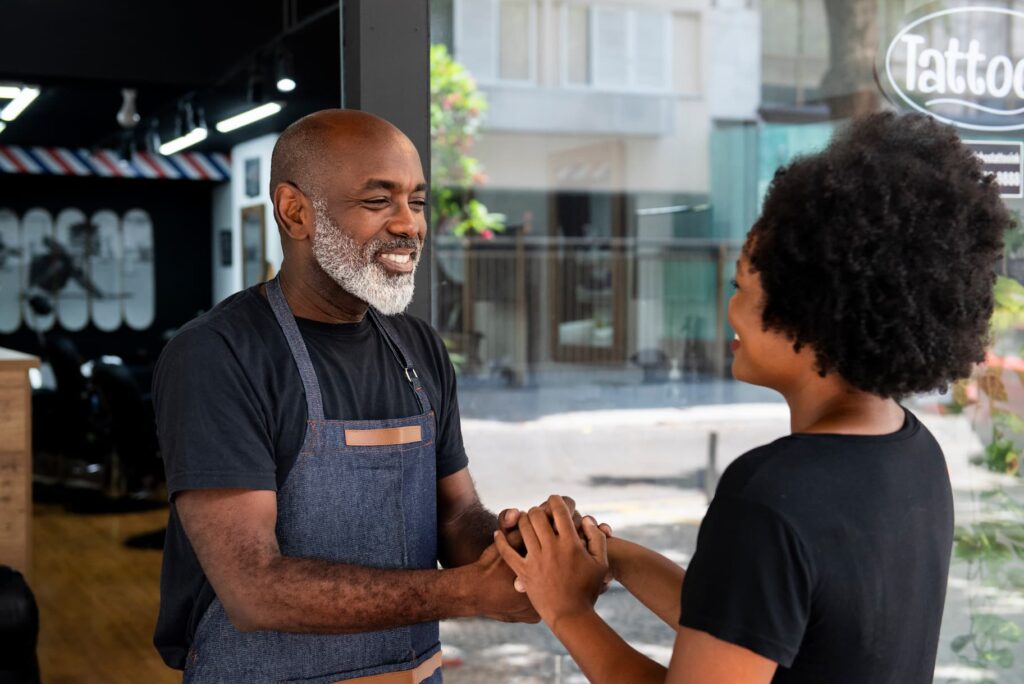
If there’s one thing every salon and spa owner learns quickly, it’s that your team can make or break your business.
You can have the best products, the most responsive management system, the most beautiful space, and loyal clients, but if your staff are rude, unmotivated, or simply don’t get your vision, everything falls apart.
Building a solid team starts with hiring for culture fit, not just skill. According to Iroha, founder of Tresses Lagos and guest on the Beyond Beauty Podcast, hiring isn’t just about who can style hair the fastest. It’s about who shares your values for customer care, professionalism, and continuous learning.
Once you’ve hired the right people, keeping them satisfied is equally important. Think about:
- Fair compensation that shows you value their work.
- Career growth. Create opportunities for training, certifications, or learning new techniques.
- Enforce a positive work environment, one that thrives on respect, recognition, and open communication
Psalmuels emphasises that one of the best ways to motivate your team is to sell them on a vision. People want to feel like they’re part of something bigger than just earning a monthly salary. When they understand your mission, whether it’s empowering women to feel beautiful or redefining haircare in Nigeria, they work with more commitment.
But even the best team will get frustrated with clients who promise to come and then don’t show up.
Struggle 4: Dealing with no-shows
Ask any salon or spa owner what one of their biggest daily frustrations is, and more often than not, you’ll hear it’s no-shows.
Clients book appointments, you prepare for them, and sometimes even turn away other bookings to keep their slot, and then, they simply don’t show up. No call, no text, nothing.
Why does this happen?
Sometimes it’s genuine emergencies. Other times, it’s forgetfulness, double booking, or clients not valuing your time because they didn’t pay upfront.
Cynthia, a salon owner who shared her story on episode 3 of the Beyond Beauty Podcast, explained that no-shows cost you money, waste your time, and drain your team’s morale.
How to reduce no-shows
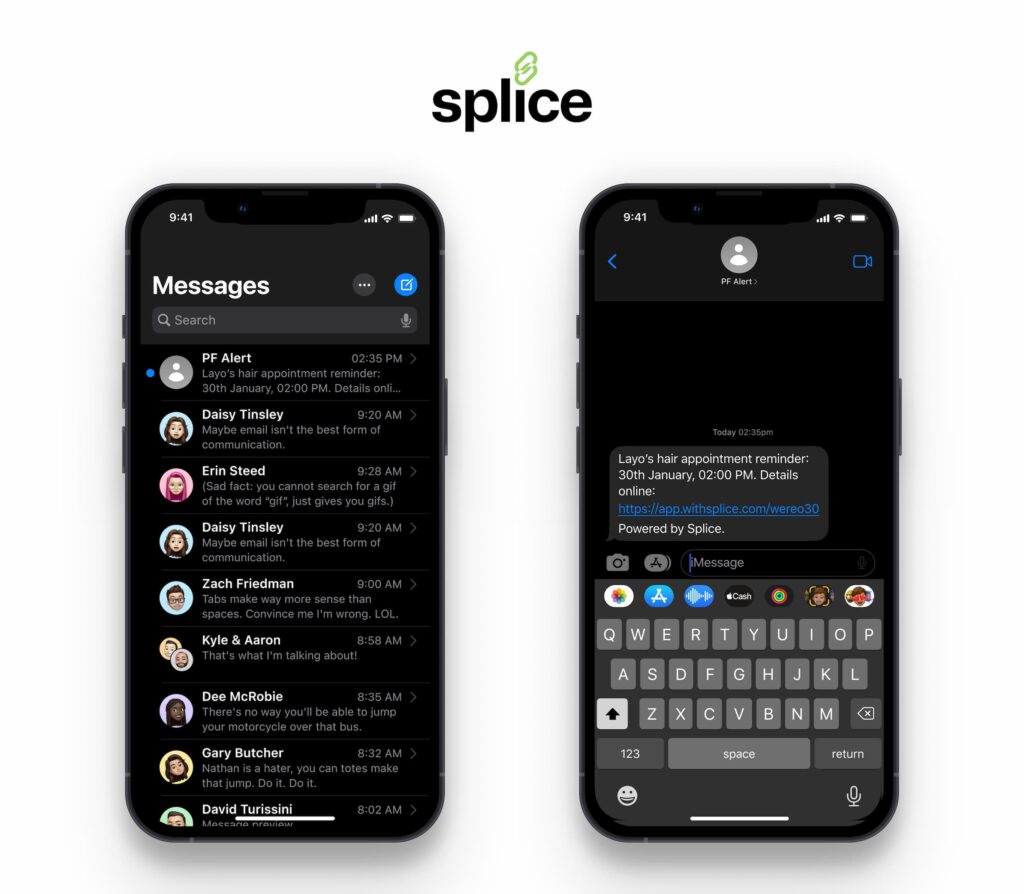
- Send reminders: Many clients genuinely forget. Sending automated reminders via SMS or WhatsApp a day before and on the morning of their appointment reduces no-shows significantly. If you use Splice, you can automate these reminders effortlessly.
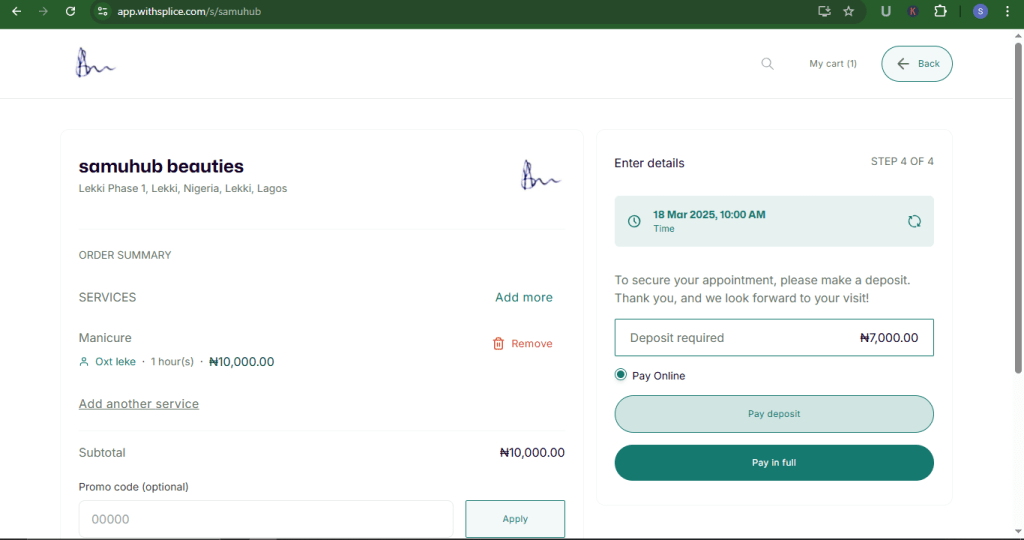
- Require booking deposits: When clients pay a small deposit, they’re more committed to showing up. If they cancel at the last minute or don’t come, at least you’re compensated for holding their slot. Splice can help automate this process.
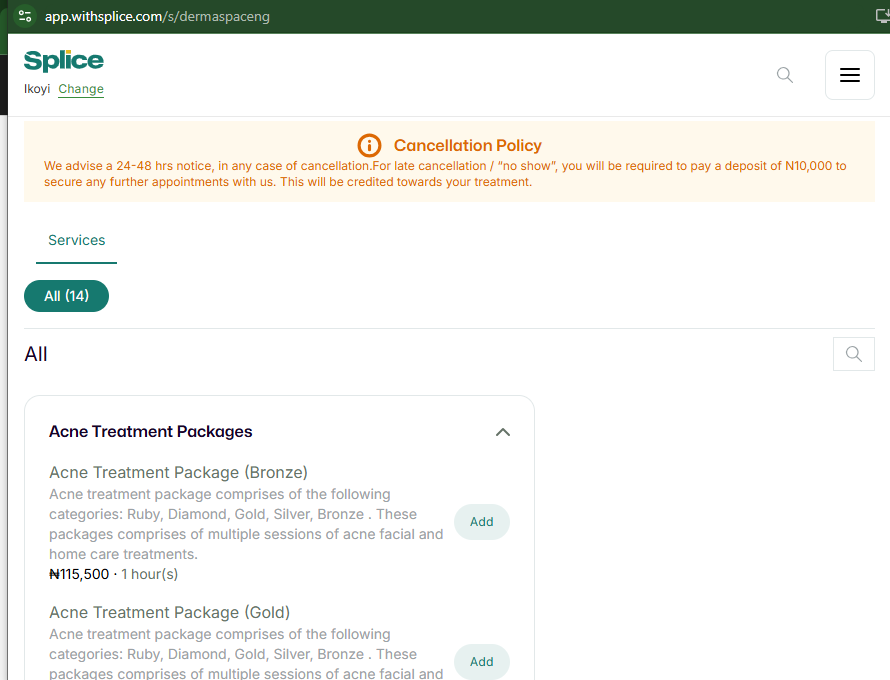
- Set clear policies: Let clients know your cancellation and no-show policies upfront. Display them at your reception, on your social media, and in your booking confirmations.
More than just making clients show up, your goal should be to make them want to keep coming back.
Struggle 5: Retaining customers
Getting clients to walk through your salon or spa doors is one thing. Getting them to keep coming back is where the real money is.
Why is customer retention so important?
Because repeat clients spend more over time, refer their friends, and are easier to serve since they already know your process. Besides, it’s cheaper to retain an existing client than to constantly chase new ones.
Here’s how to boost retention in your beauty business:
- Personalise their experience: Remember birthdays, favourite styles, or specific allergies. A simple, “Do you want the same edge styling as last time?” makes clients feel seen and valued.
- Introduce loyalty rewards: Offer discounts or free add-ons after a certain number of visits. Even small rewards can encourage clients to return more often.
- Follow up after appointments: Send a thank you message, ask for feedback, or remind them when it’s time for their next treatment. This keeps your salon top-of-mind.
Tools like Splice make retention easier; its built-in CRM stores detailed client information, helps you track visits, and lets you set up loyalty programs and send targeted messages, all in one place.
Even with the best retention strategies, every salon and spa will experience slow seasons. How can you deal with that?
Struggle 6: Handling slow seasons
No matter how great your services are or how loyal your clients may be, every beauty business experiences slow and peak seasons. It can be different from one salon business to another.
These are periods when bookings drop, cash flow dips, and you start wondering if something is wrong with your business. But it’s normal.
Why do slow seasons happen?
Slow seasons can happen for many reasons:
- Economic factors: When people are cutting down on spending due to inflation.
- School resumptions: Parents are focused on fees and supplies during these times.
- Weather changes: Heavy rains or intense heat may keep clients at home.
- Holidays: Some clients travel or prioritise family expenses over personal grooming during these periods.
How to win despite slow seasons
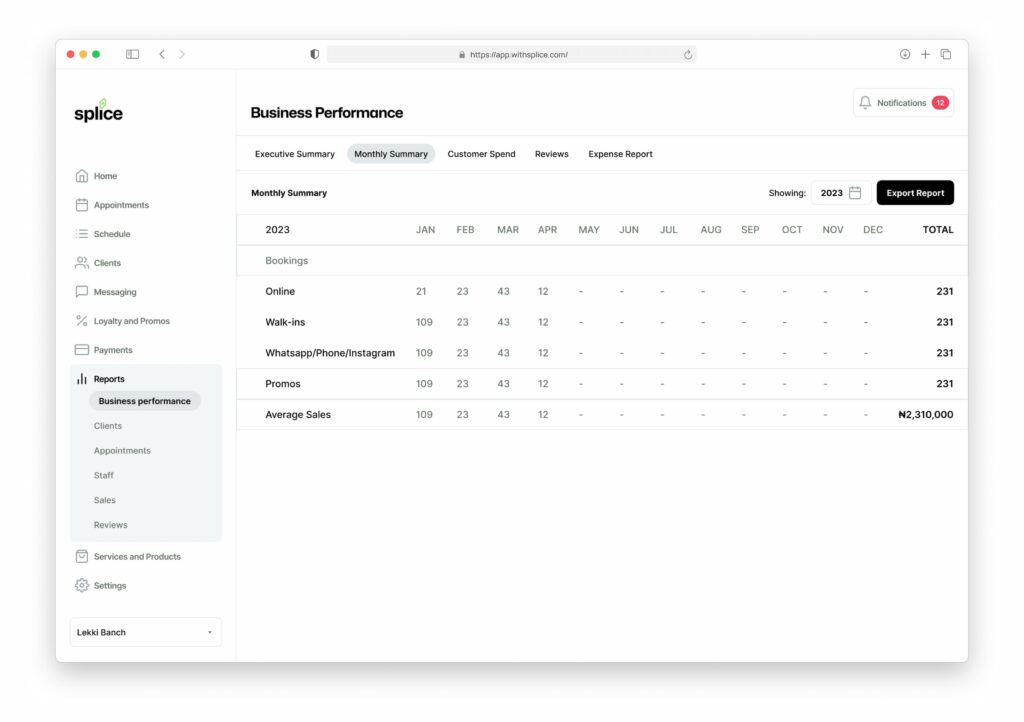
- Plan ahead: If you know certain months are usually slow, budget for them during your busier periods. The splice reporting feature will give you insight into your business performance over time.
- Run special offers or packages: Discounts, bundled services, or referral incentives can encourage clients to treat themselves.
- Explore alternative income streams: Sell hair or beauty products, offer online consultations, or host training classes during downtime.
- Invest in training your team: Use quiet periods to upskill your staff, clean up processes, and improve your business systems so you’re ready to serve better when things pick up.
Slow seasons aren’t the end of your business. Think of them as a chance to reset, plan, and come back stronger.
Conclusion
Running a salon or spa is about making clients look and feel beautiful. But just as importantly, it’s about managing the behind-the-scenes challenges that no one sees.
From scaling your operations, embracing technology, and building a strong team, to handling no-shows, retaining clients, and navigating slow seasons, these struggles are part of the journey. But remember, you’re not alone in facing them.
With the right mindset, practical strategies, and tools like Splice to support your bookings, payments, staff management, and client relationships, you can turn these challenges into opportunities for growth.
If you want to hear from other beauty professionals who’ve been exactly where you are and come out stronger, check out the Beyond Beauty Podcast.


