

Many customers and even professionals in Nigeria still use the terms “hair salons” and “beauty salons” interchangeably. While related — both establishments cater to people seeking personal grooming services — there are distinct differences between them.
Understanding these differences is critical, whether you’re a business owner who plans to start either type of salon or a seasoned professional looking to define an existing one. It helps you tailor your service offerings to align with your specific form of the beauty business, ensuring your business is the same on paper and in practice.
However, distinguishing between hair salon and beauty salon businesses can be challenging for many. But you won’t have that problem once you finish reading this guide.
In this article, I’ll first explain what hair salons and beauty salons are, then outline their similarities, and finally, highlight their differences.
If you’re ready, let’s get started.
Hair salons and beauty salons in Nigeria
Before we get to the differences and similarities between the two salons, let’s first understand what they are and the services they offer.
What’s a hair salon?
A hair salon in Nigeria is a beauty establishment where professional hairstylists and hairdressers provide hair-related products and services to predominantly women.
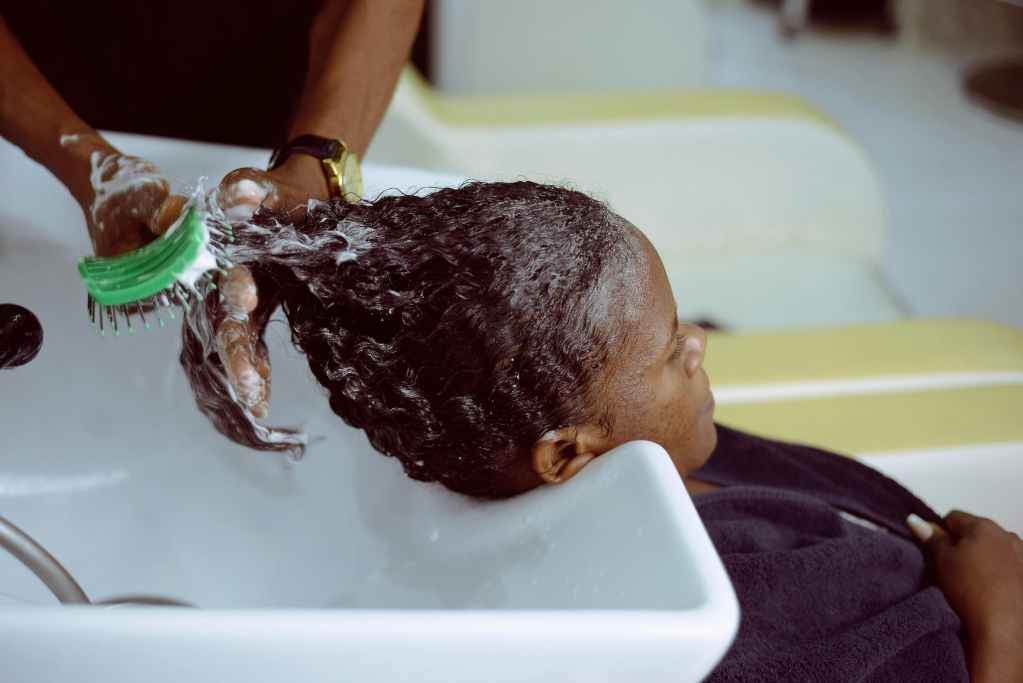
The products can range from shampoo, conditioner, and hair wax (or edge control) to hair extensions, brushes, and dyes, while the services can include styling, cutting, colouring, and treatments.
In Nigeria, a hair salon is to women what a barbing salon is to men. See our guide on how to start a barbing salon in Nigeria.
What’s a beauty salon?
A beauty salon in Nigeria, on the other hand, is also a beauty establishment. Unlike a hair salon, however, it goes beyond just hair grooming to offer a broader range of beauty products and services. Instead of just hair care, a beauty salon extends its offers to include an assortment of services that address overall beauty and well-being.
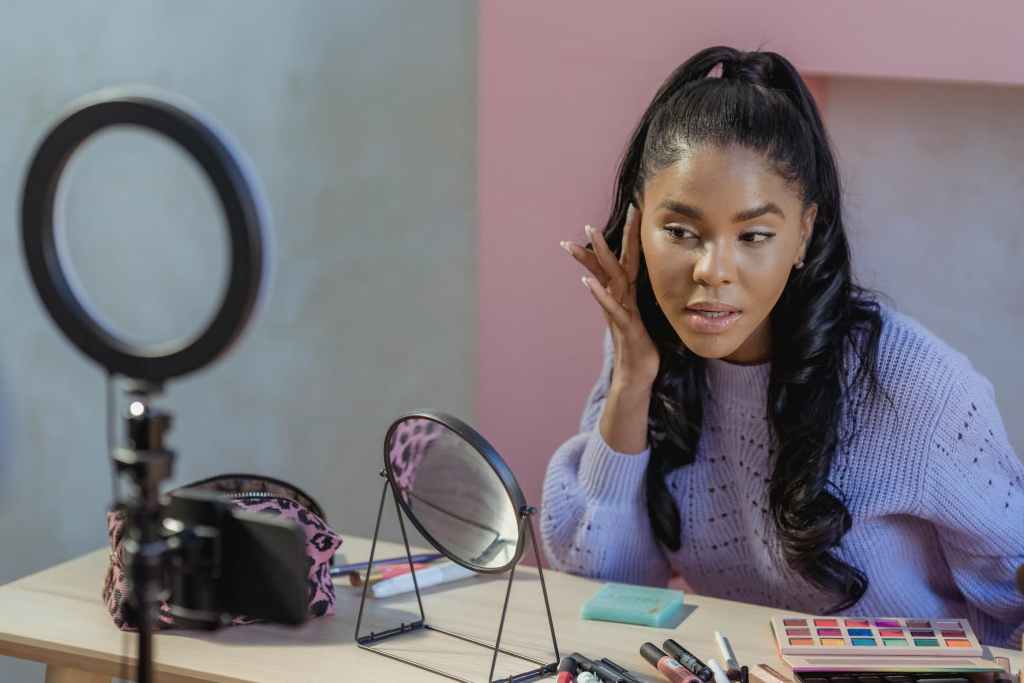
So, in addition to experts offering hair care, beauty salons feature other professionals — aestheticians, nail technicians, makeup artists — providing various beauty services, including,
- Skincare treatments: facials, waxing, chemical peeling, etc.
- Nail care: nail extension, manicure, pedicure, etc.
- Makeup services: basic makeup, bridal makeup, editorial makeup, etc.
Beauty salons are a one-stop destination for overall appearance enhancement.
Aligning your services with your business promise is crucial. A hair salon business should focus on hair care services, while a beauty salon establishment should extend its offerings from just haircare to include a broad range of beauty services. The alignment not only enhances your brand’s identity but also builds trust with your customers as your business meets their expectations.
Next, let’s explore in detail what both businesses have in common that makes many confuse one for the other.
What are the similarities between hair salons and beauty salons in Nigeria?
The reason for the usual confusion between the two salons is their close similarities. Understanding these similarities will help you underline the differences more clearly.
Some of the things they have in common include:
1. They offer haircare services
Both hair salons and beauty salons in Nigeria provide hairstyling and general haircare products and services to women. Whichever one you start or already run should let your customers come in to get their hair done.
2. They hire haircare experts

Both business establishments have hairstylists and hairdressers among their staff who provide customers with professional haircare products and services. You ensure your salon delivers ONLY top-notch hairstyling experiences by having experts on staff.
3. They stay on top of industry trends
Due to the dynamic nature of the beauty industry, new techniques, styles, products, practices, and even technology pop up often, and old ones quickly become obsolete. To offer your customers the latest fashionable looks and ultimately drive either establishment to success, business owners or managers like you must stay up-to-date on relevant industry trends.
4. They encourage upskilling
Another thing a hair salon has in common with a beauty salon is the investment in ongoing training to upskill their staff and keep them abreast with beauty trends. The training ensures your establishment always provides customers with relevant services in a proficient manner.
5. They use appointment booking tools
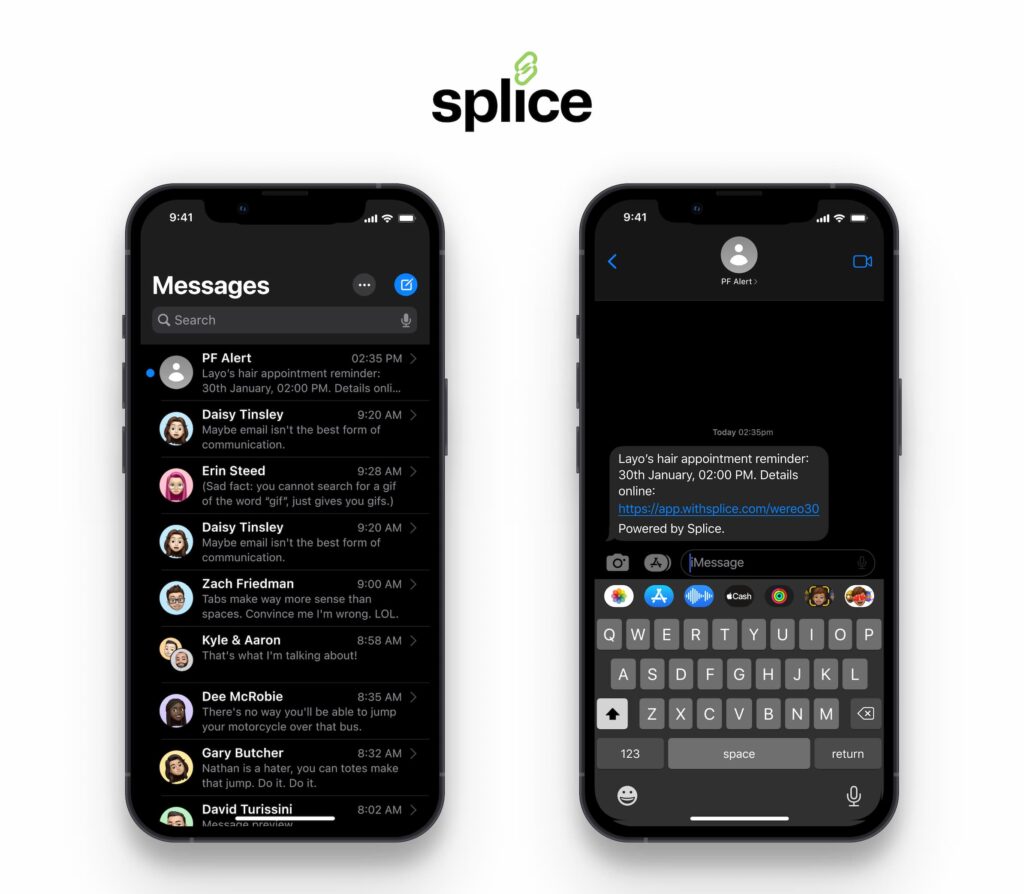
Since there’s already too much demand on the time of the staff of either establishment, it has become necessary for them to utilise appointment booking software to automate the booking process for customers. A tool like Splice goes further by sending reminders to your customers to ensure they keep their appointments and help your salon reduce no-shows.
6. They’re open to all ages and genders
Hair salons and beauty salons serve a customer base of all ages with the need to get their hair done. While both business establishments predominantly serve women, they also attend to men.
With their similarities established, let’s explore their differences.
What are the differences between hair salons and beauty salons in Nigeria?
A hair salon is different from a beauty salon in several ways, including:
1. Service offerings
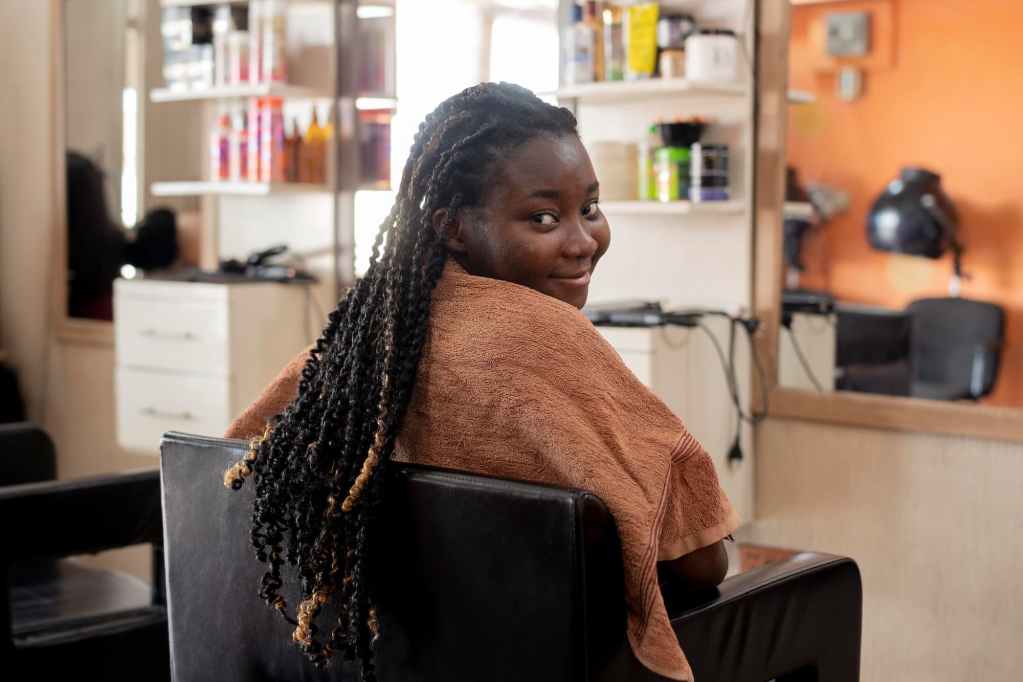
Hair salons provide only hair-related services, such as styling, cutting, colouring, and treatment. In contrast, beauty salons offer comprehensive beauty services, which cover not just hair care but also skincare treatments, nail care, makeup application, and others.
Your hair salon establishment only needs to offer hair care services. Whereas, your beauty salon would also provide other services besides hair styling.
2. Target audience
While a hair salon serves customers seeking primarily hairstyling and other hair care services, a beauty salon caters to a diverse client base, which may include customers looking to get hair-related services and other beauty offerings like facials, nail extensions, and bridal makeup.
So, you would manage a broader customer base if you ran a beauty salon than if you ran a hair salon.
3. Staffing requirements
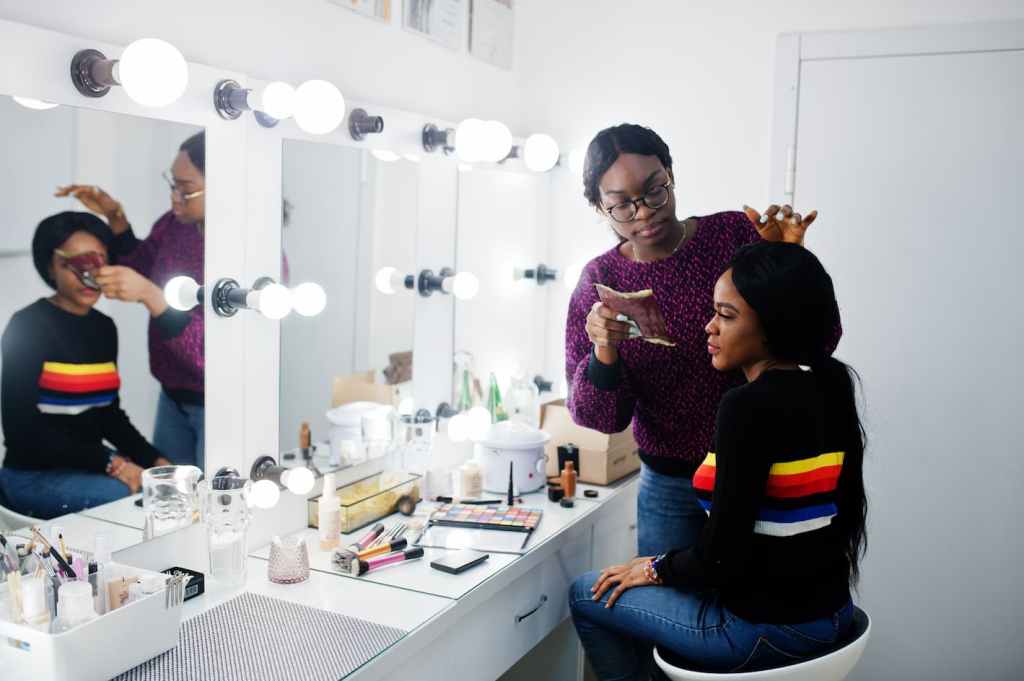
Hair salons employ professionals who specialise in various hair-related techniques. Beauty salons, however, have to hire professionals not just with hair care expertise but also aestheticians, makeup artists, and nail technicians.
The kinds of professionals you hire for your business depend on whether you’re running a hair salon or a beauty salon.
4. Retail products
Hair salon establishments typically offer customers retail hair-related products, such as hair care products, hairstyling items, hair colouring supplies, and hair accessories. In addition to these items, beauty salons may also provide skincare products, nail care items, and cosmetics.
Retail products are a big part of salon businesses. The nature of your salon determines the ones you sell.
5. Equipment and supplies
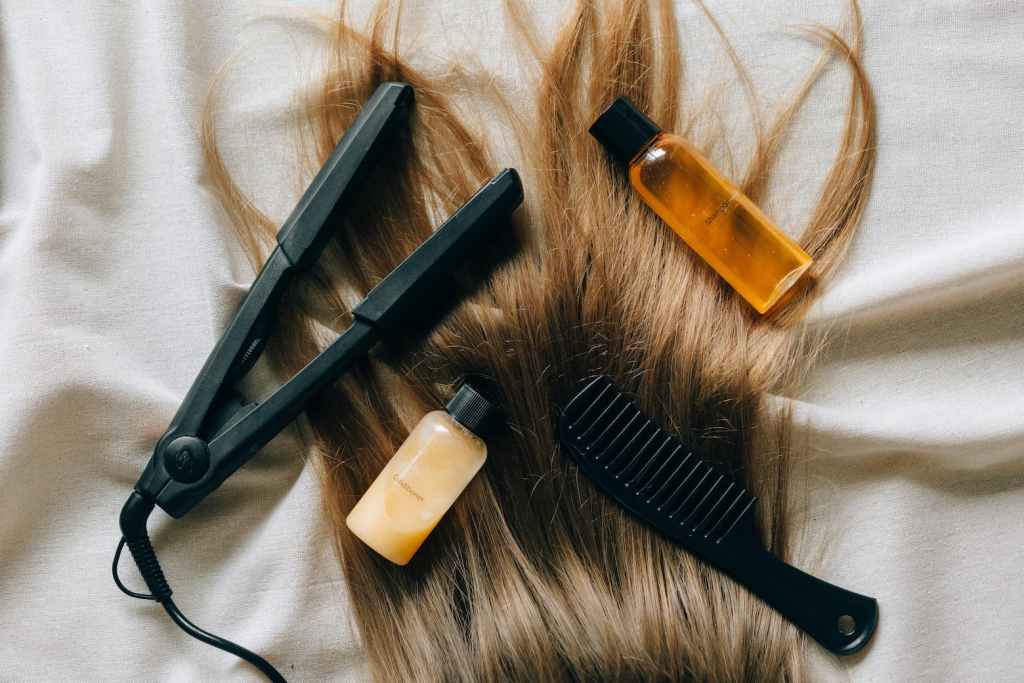
Hair salon businesses are equipped with tools (e.g., styling chairs, hair dryers, and scissors) and supplies (dyes, air wax, and shampoos) for hair styling, colouring, and treatments. In addition to the hair care tools and supplies, beauty salons utilise skincare equipment like facial steamers, makeup tools like makeup brushes, and nail care devices like UV nail lamps.
Choosing between starting a hair salon and a beauty salon
Various factors influence the decision to start a hair salon or beauty salon. Budget considerations are number one on the list in making an informed choice. With a modest budget, you might want to focus on providing hair-related services. But if you have an extensive budget, a beauty salon where you can offer a comprehensive beauty experience might be more suitable.
Note that at any time, a hair salon can upgrade to become a beauty salon, and a beauty salon can rebrand to shed some services to become a hair salon.
Conclusion
Whether you opt to start a hair salon venture or a beauty salon business in Nigeria, understanding their nuances is crucial for business success. The distinct features, including service focus, target audience, and products, associated with each determine your salon’s identity. Aligning your business correctly not only tailors your services but also builds trust in your customers, establishing a notable brand identity in the highly competitive beauty industry.
As you go on this journey to create a thriving business in Nigeria, let Splice automate your salon’s appointment booking process.


